Overview
Map
Other Details
كنيسة الصليب المقدس
1960
Ain El-Qabou
Metn
Mount Lebanon
Visited 6983 times, 2 Visits today
Directory of Churches in Lebanon

.jpeg)
كنيسة الصليب, Ain El Qabou, Lebanon
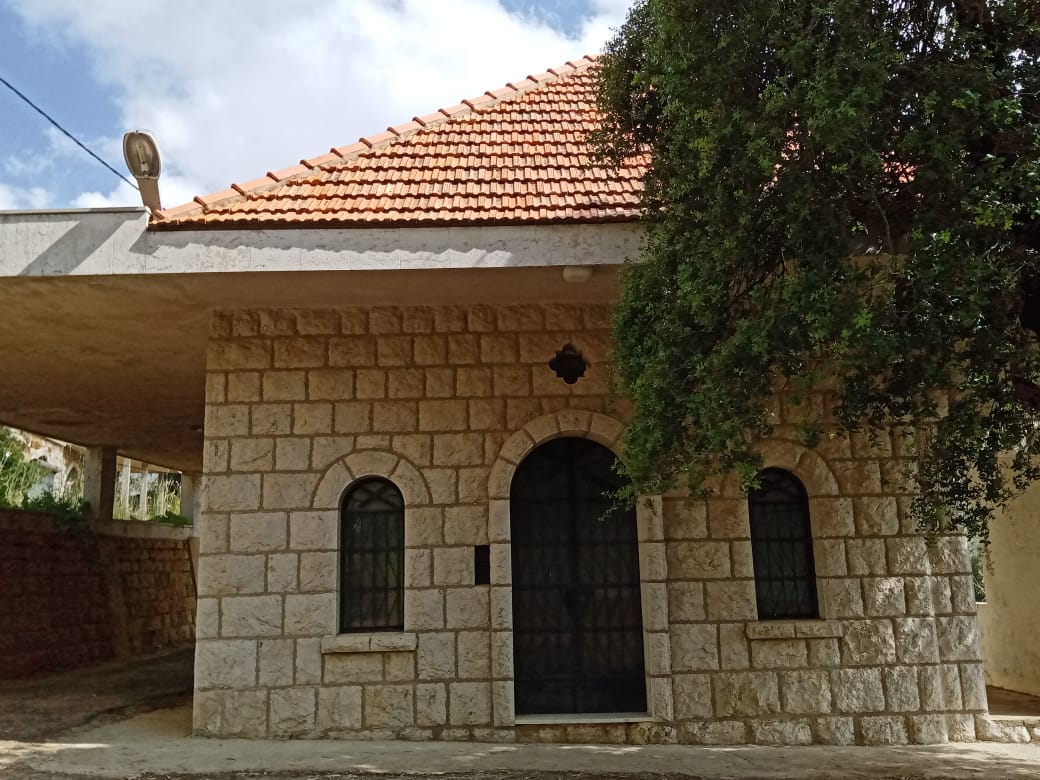
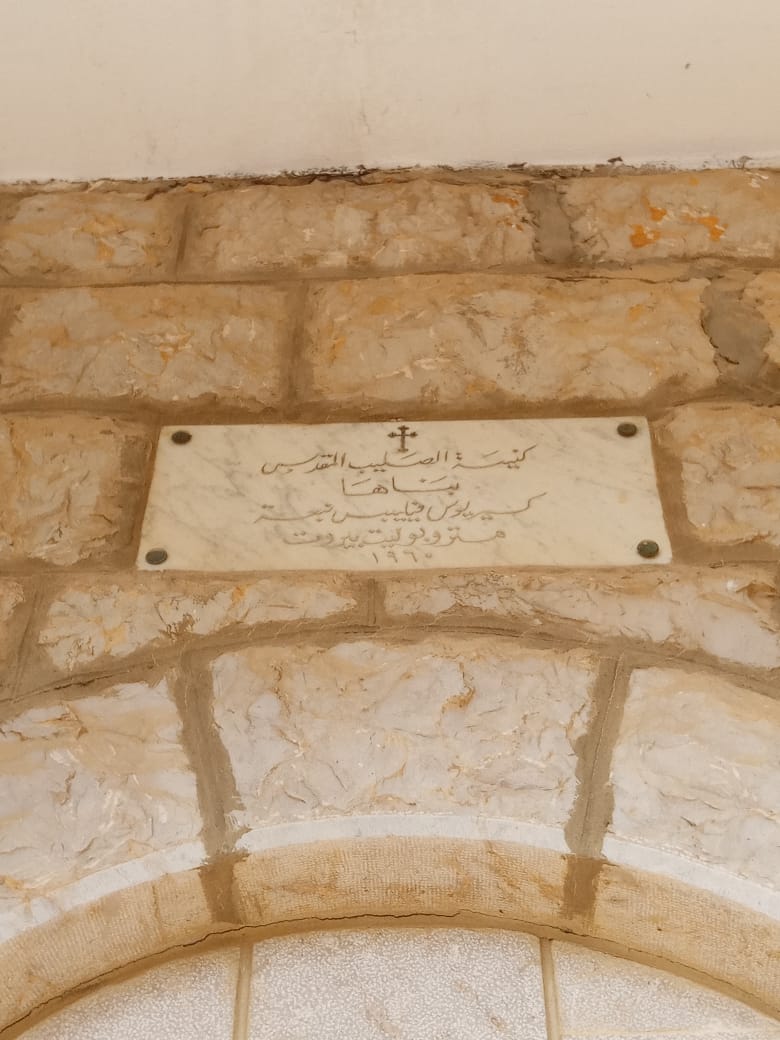
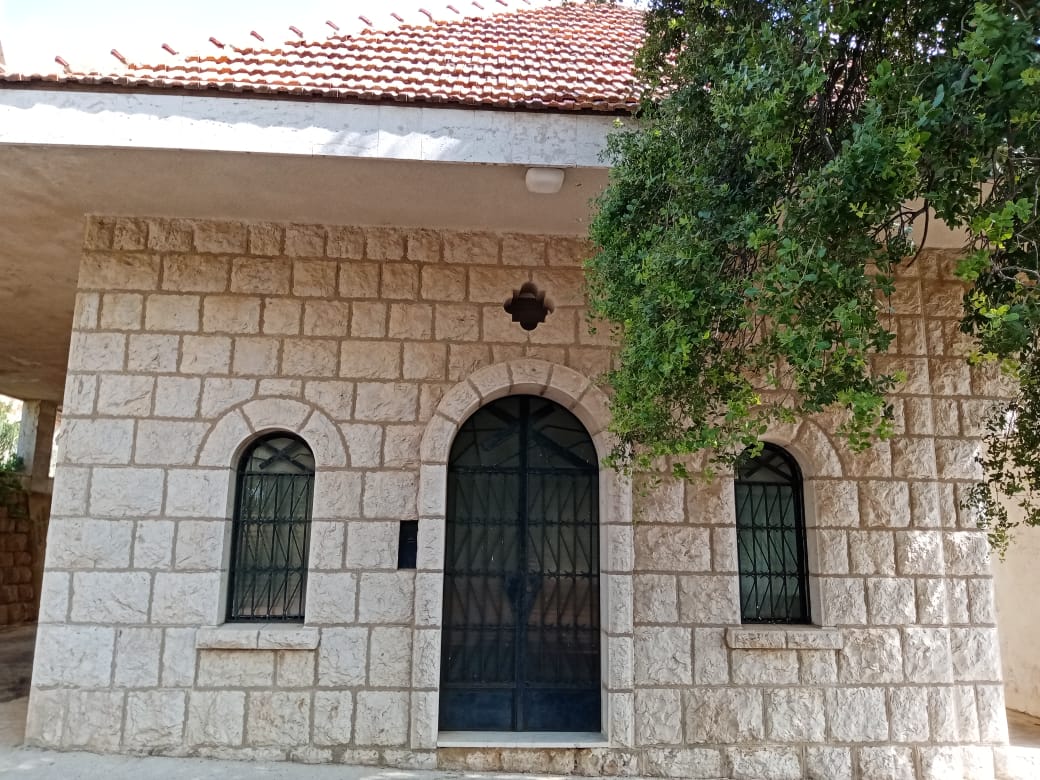
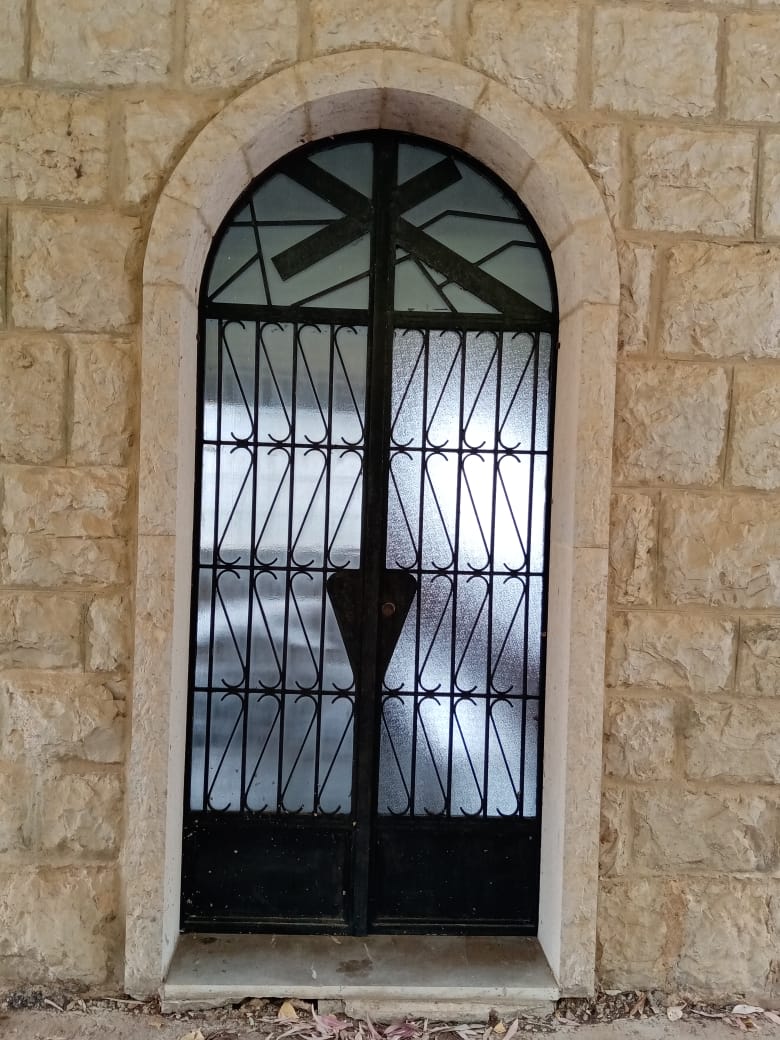
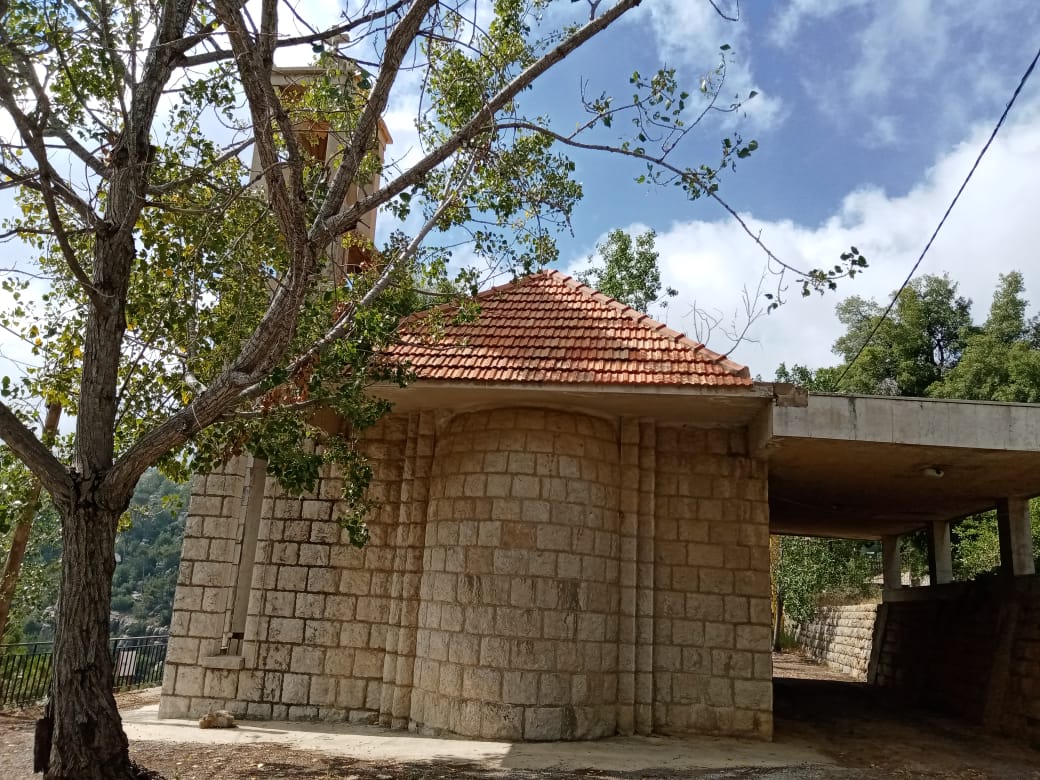

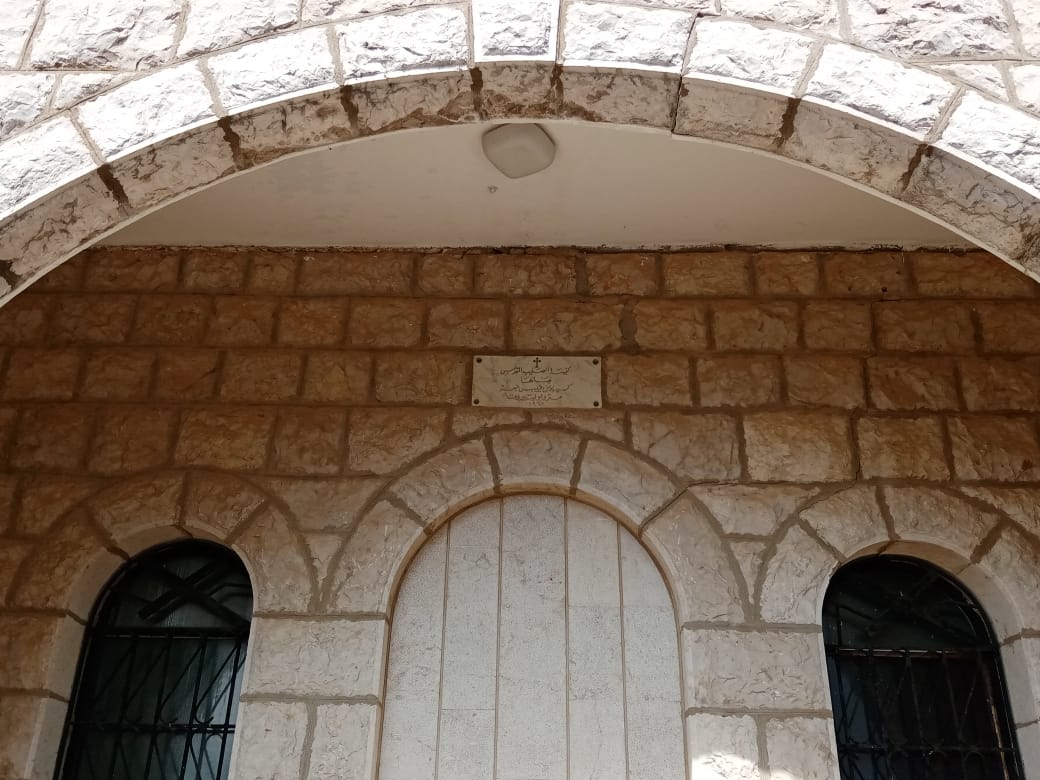
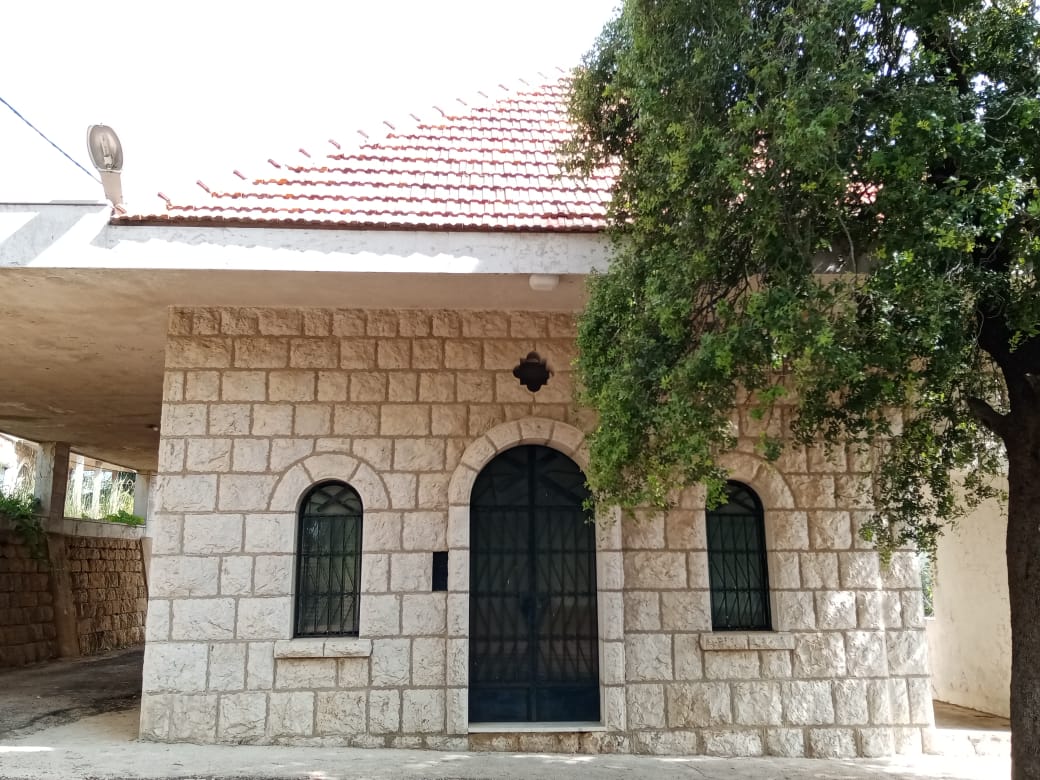
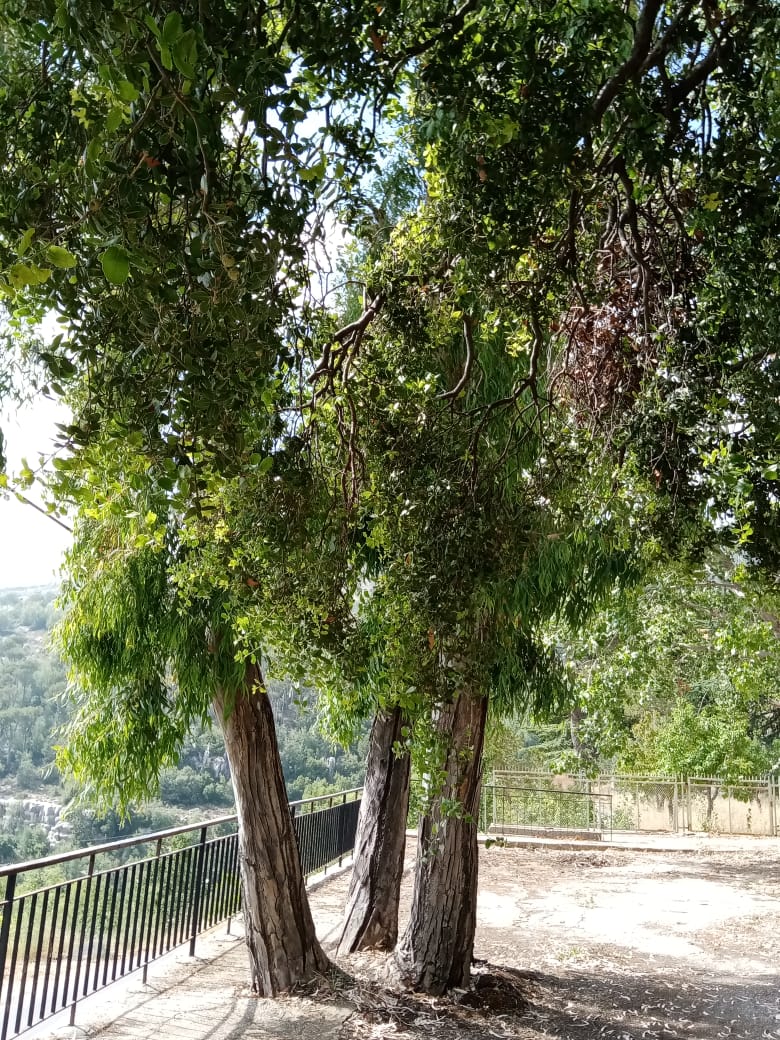


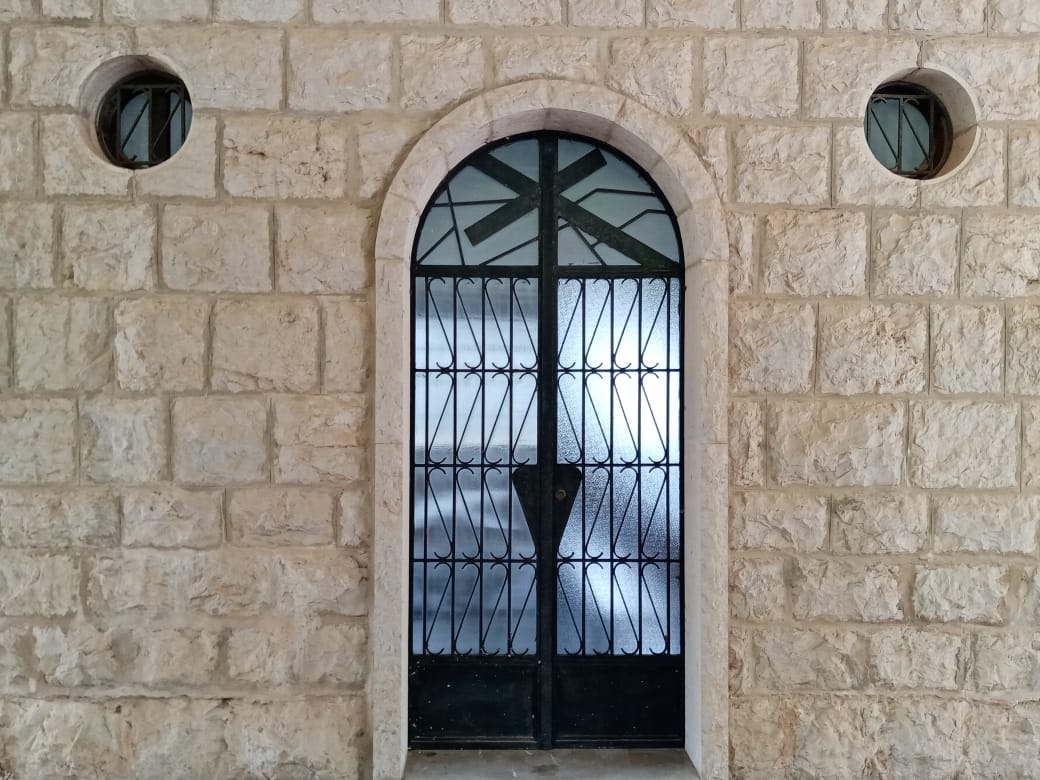


كنيسة الصليب المقدس
1960
Ain El-Qabou
Metn
Mount Lebanon
Visited 6983 times, 2 Visits today
Saint George Church, Byblos, Lebanon
مار جرجس اده جبيل
Eddeh Jbayl
Jbeil
Mount Lebanon
The church dates back to the Phoenician era with a high vault. The great frensh orientalist Ernest Renan retraced its history with its huge stone pillars. The church had a great Phoenician tympant with two snakes revolving around a globe. The huge stone was taken to the Louvre museum by Renan.
The final stage and most recent construction dates back to 1870 when the church was rededicated by bishop Yousef el Marid.
St George’s painting over the altar is the work of Paul Shlavek
تعود الى العهد الفينيقي لأنها مبنيّة بعقد قصبة مرتفعة وكانت معبدًا وثنيًّا.
أشار إرنست رينان الى وجود اعمِدة أثريّة استُعملت في مداميك البناء. رُمّمت وزيد عليها مع تعاقب المراحل التاريخيّة.
رينان انتزع عتبة الكنيسة وأرسلها الى متحف اللوفر في باريس، وهي تحمل نقشًا من الرموز التي كانت شائعةً في الدين الفينيقي يمثّل كرةً تلتفُّ حولها حيّاتٌ مجتمعة الأذناب في أعلاها
رُمِّمت هذه الكنيسة عدَّة مرّات، وكُرِّست عام 1870 بيد المطران يوسف المريض. وصورة مار جرجس فيها هي بريشة الرسّام بولس شلافك
Church Mar Maroun, Tripoli, Lebanon
كنيسة مار مارون
Trablous Ez-Zahrieh
Tripoli
North
كنيسة مار مارون - طرابلس
بُنيت الكنيسة وسط مدينة طرابلس سنة ١٩٥٦ في عهد المثلث الرحمات المطران أنطون عبد، صمّمها المهندس الإيطاليّ بيار أريكوني. نمطها بازيليكيّ بشكل صليب لاتينيّ وقبّة، مع برج ساعة في مقدّمها. تتميّز الكنيسة بمذابحها من رخام الكرارة الإيطاليّ وهي من عمل مؤسسة شبطيني الطرابلسيّة. كذلك تتميّز بالأثاث البيعيّ الغربيّ الطراز. رمّم البناء سنة ٢٠٠١ بسعي المثلث الرحمات المطران يوحنا فؤاد الحاج.
The church of St Maroun - Tripoli
The church was built in 1956 during the pontificate of Archbishop Antoun Abed. It was designed by the italian architect Pierre Ariconi according to a latin cross basilical plan with a transept and a dome. The church holds a bell tower with a clock on the western front. The church interior has a neo gothic style with carrera marble altars made by the Chabtiny association from Tripoli. The church aslo holds western style church furnishings. The building was restored in 2001 during the pontificate of Archbishop Youhanna Fouad el Hajj.
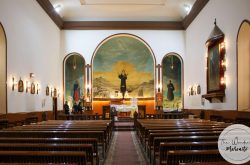
Monastery of Saint Anthony the Great Zahleh Lebanese maronite order (saint antoine le grand), Zahlé, Lebanon
دير مار أنطونيوس الكبير
Zahlé Mar Antonios
Zahle
Bekaa
دير مار أنطونيوس الكبير - زحلة
تأسّس الدير في عام 1771 من قِبل مجموعة من الرهبان الموارنة الذين كانوا يسعون إلى إنشاء مكان للعبادة ل في قلب مدينة زحلة لخدمة المجتمع المارونيّ المحلي. نما دير القديس أنطونيوس على مرّ القرون في الحجم والأهميّة وأصبح مركزًا للعلم والروحانيّة. ورغم تعرّضه للحروب والغزوات والزلازل، إلّا أنه تم إعادة بنائه وترميمه عدة مرّات. تُعدّ كنيسة القديس أنطونيوس نقطة المحور في الدير، حيث تم بناؤها في منتصف القرن العشرين فوق الكنيسة الأصلية. ويتميّز الداخل بلوحات جداريّة رائعة ونوافذ زجاجية ملونة برسوم الفنان اللبناني أسعد رنّو. في الكنيسة مقام جانبي صغير مخصص للقديسة تيريزا. تشتهر مكتبة الدير كذلك بمجموعتها الضخمة من الكتب والمخطوطات والتحف القديمة. وبشكل عام، يُعدّ دير القديس أنطونيوس موقعًا ثقافيًا وروحيًا مهمًّا في زحلة، له تراث غنيّ يجذب الزوار من جميع أنحاء العالم.
The monastery of St. Anthony the great - Zahle
The monastery was established in 1771 by a group of Maronite monks with the intention of creating a place of worship and reflection for the local Maronite community in Zahle. Throughout the years, it has grown in both size and significance, developing into a hub for learning and spirituality. Despite experiencing wars, invasions, and earthquakes, the monastery has been reconstructed and renovated multiple times. The focal point of the monastery is the church of St. Anthony, which was built in the mid XXth century over the original church. The interior is decorated with stunning frescoes, stained glass windows created by the Lebanese artist Assaad Renno, and intricate altars. The church has a small lateral chapel dedicated to St. Therese of Lisieux. Another noteworthy feature of the monastery is its library, which houses an extensive collection of books, manuscripts, and ancient artifacts. Overall, the monastery is a significant cultural and spiritual site in Zahle, Lebanon, with a rich heritage that continues to attract visitors from all over the world.
Reviews are disabled, but trackbacks and pingbacks are open.